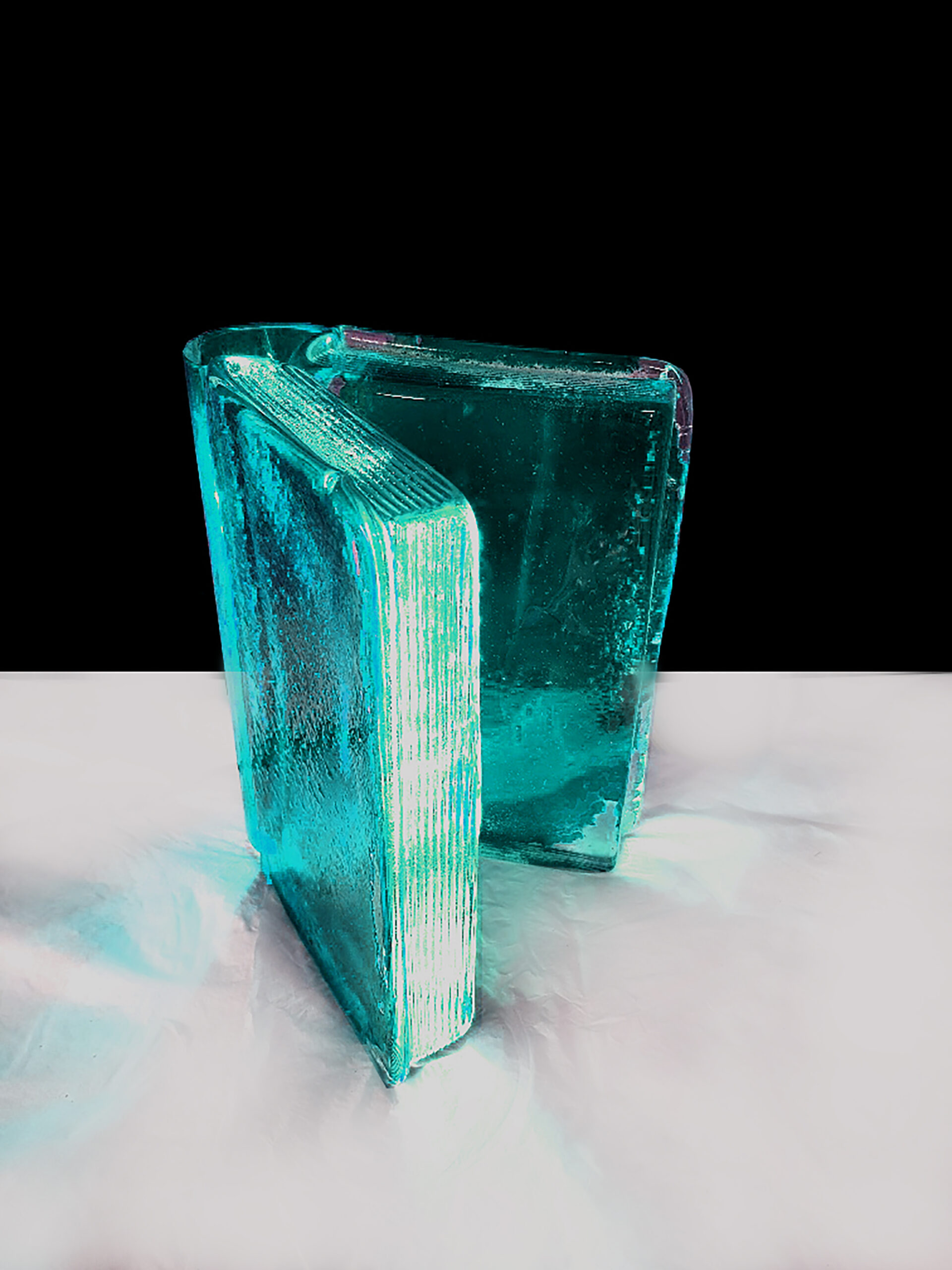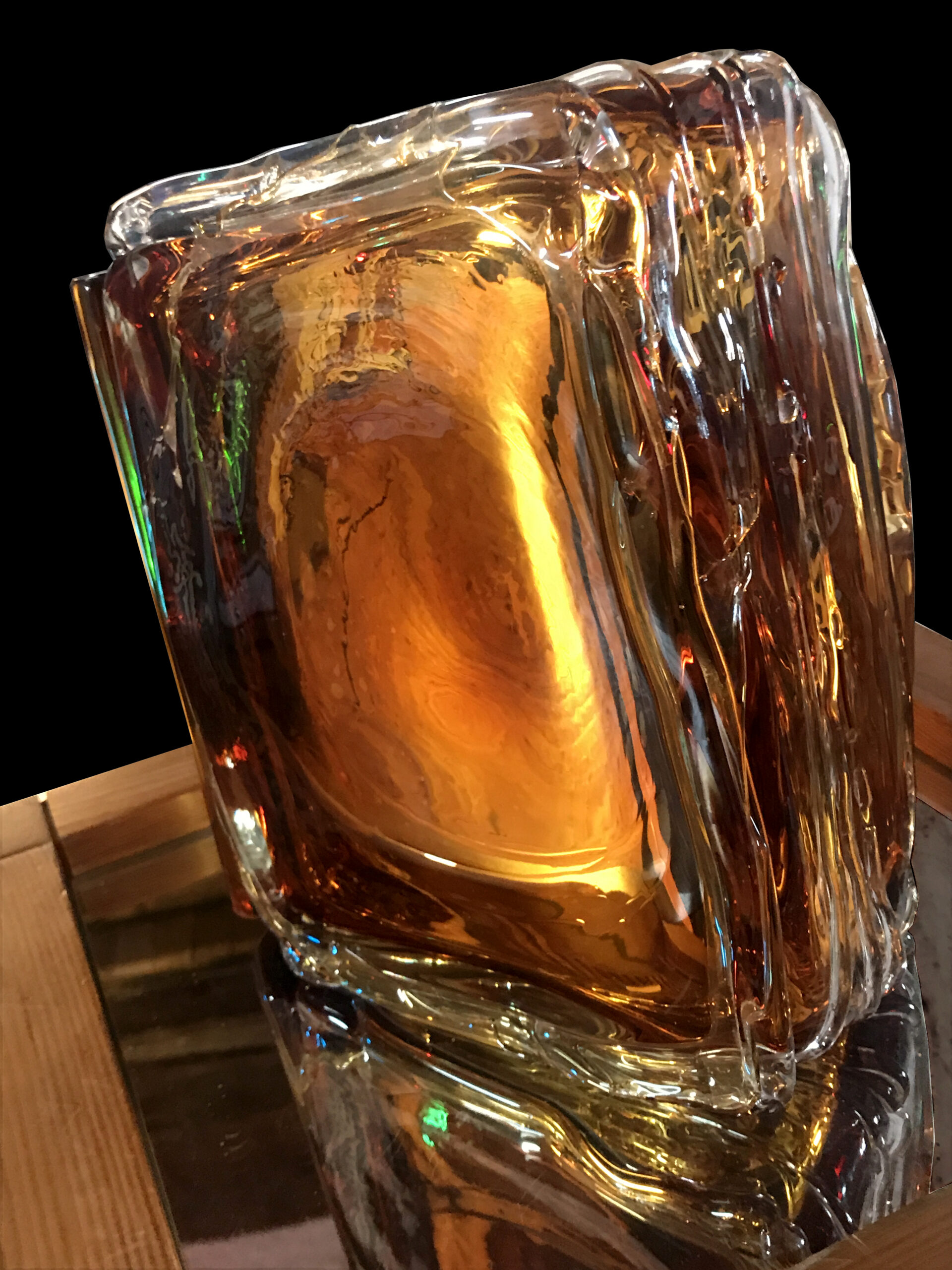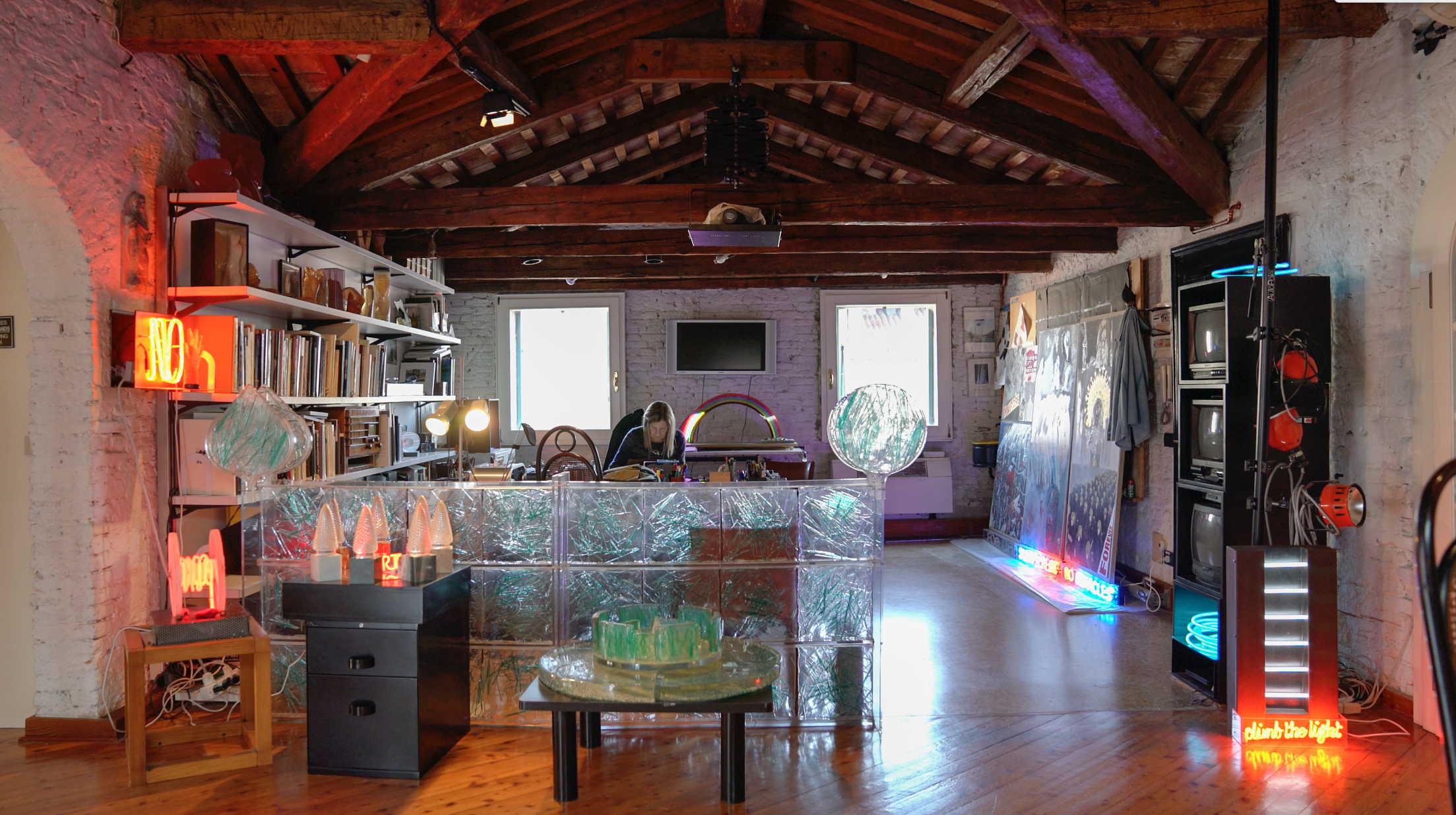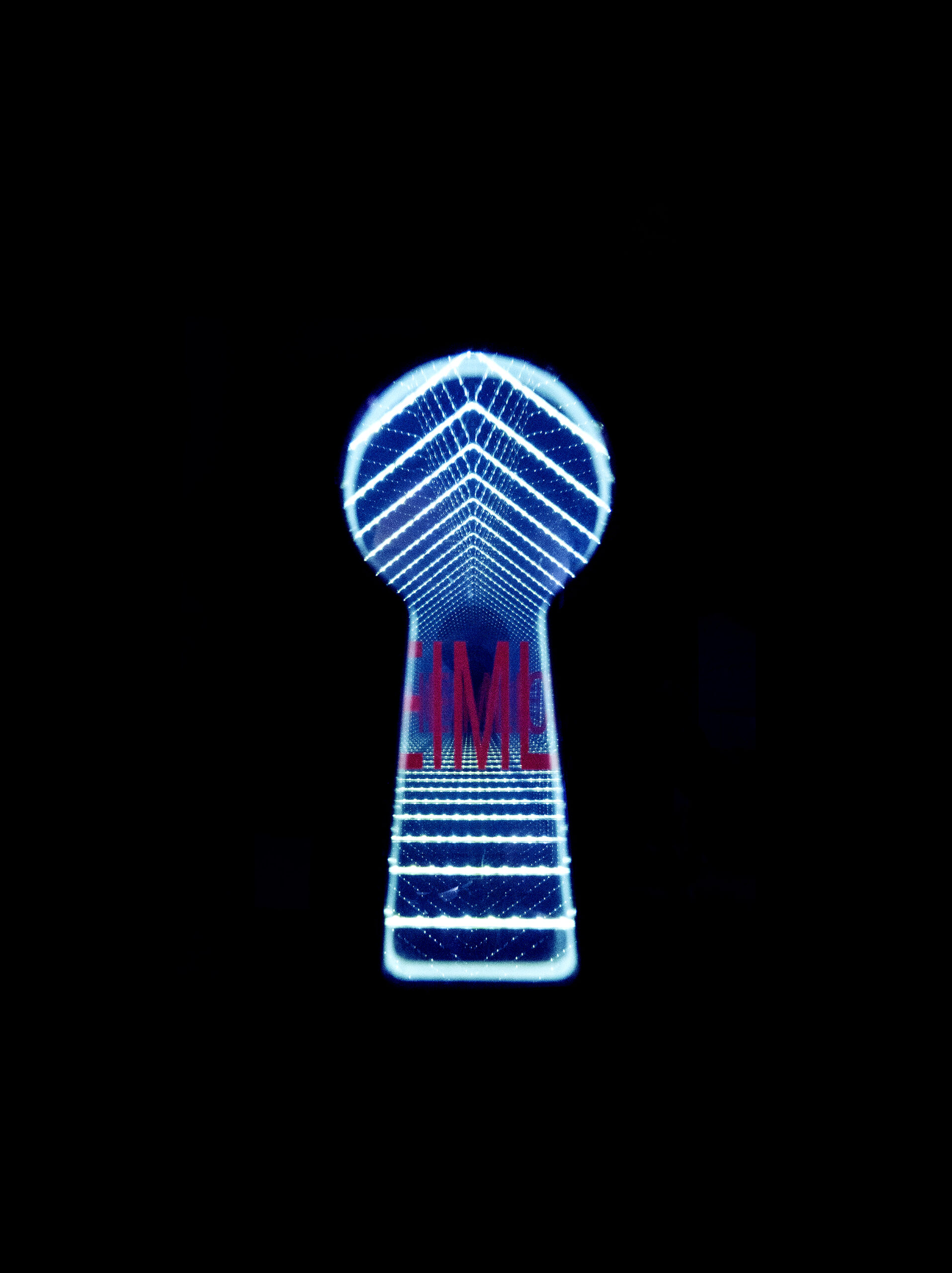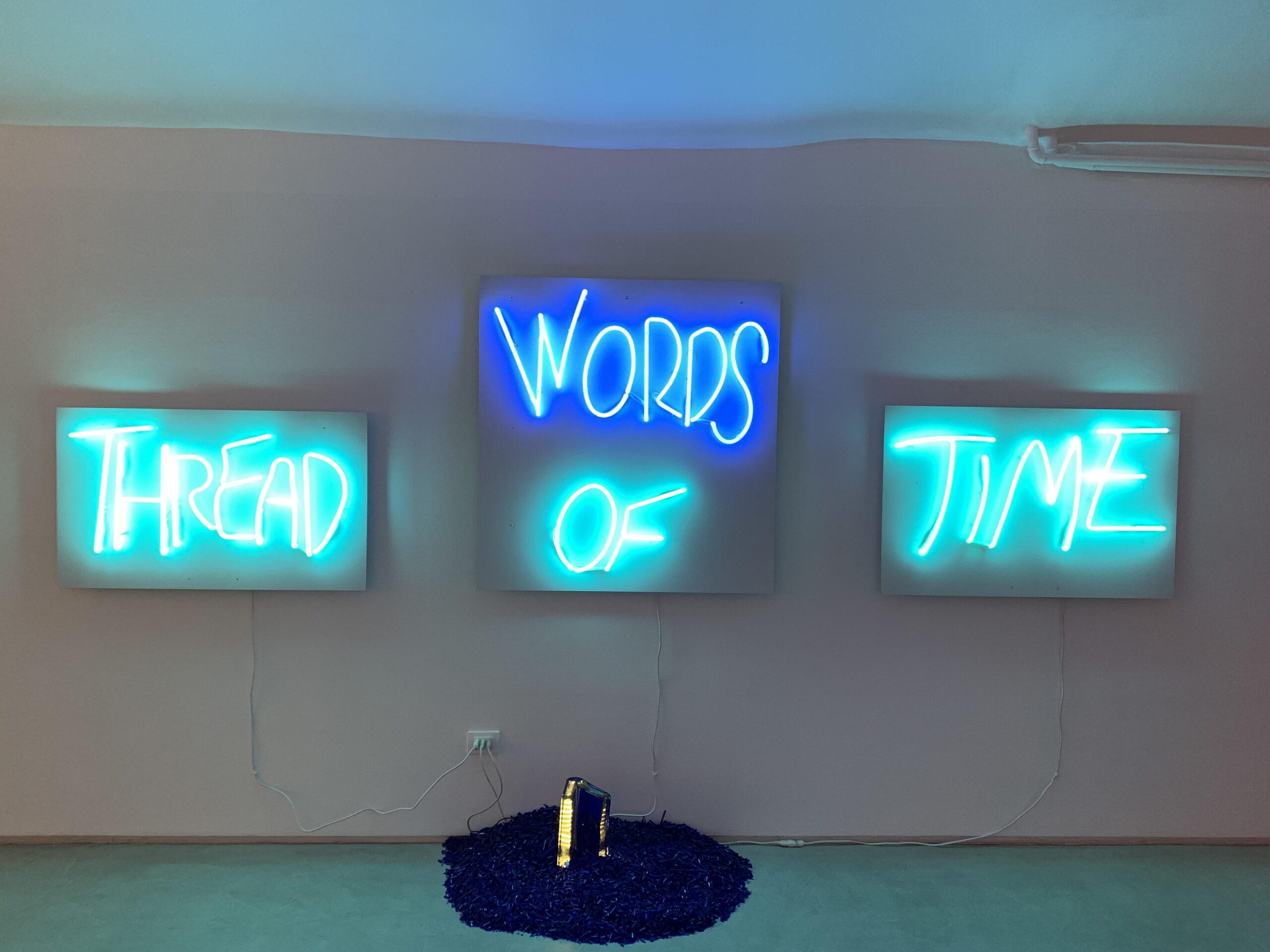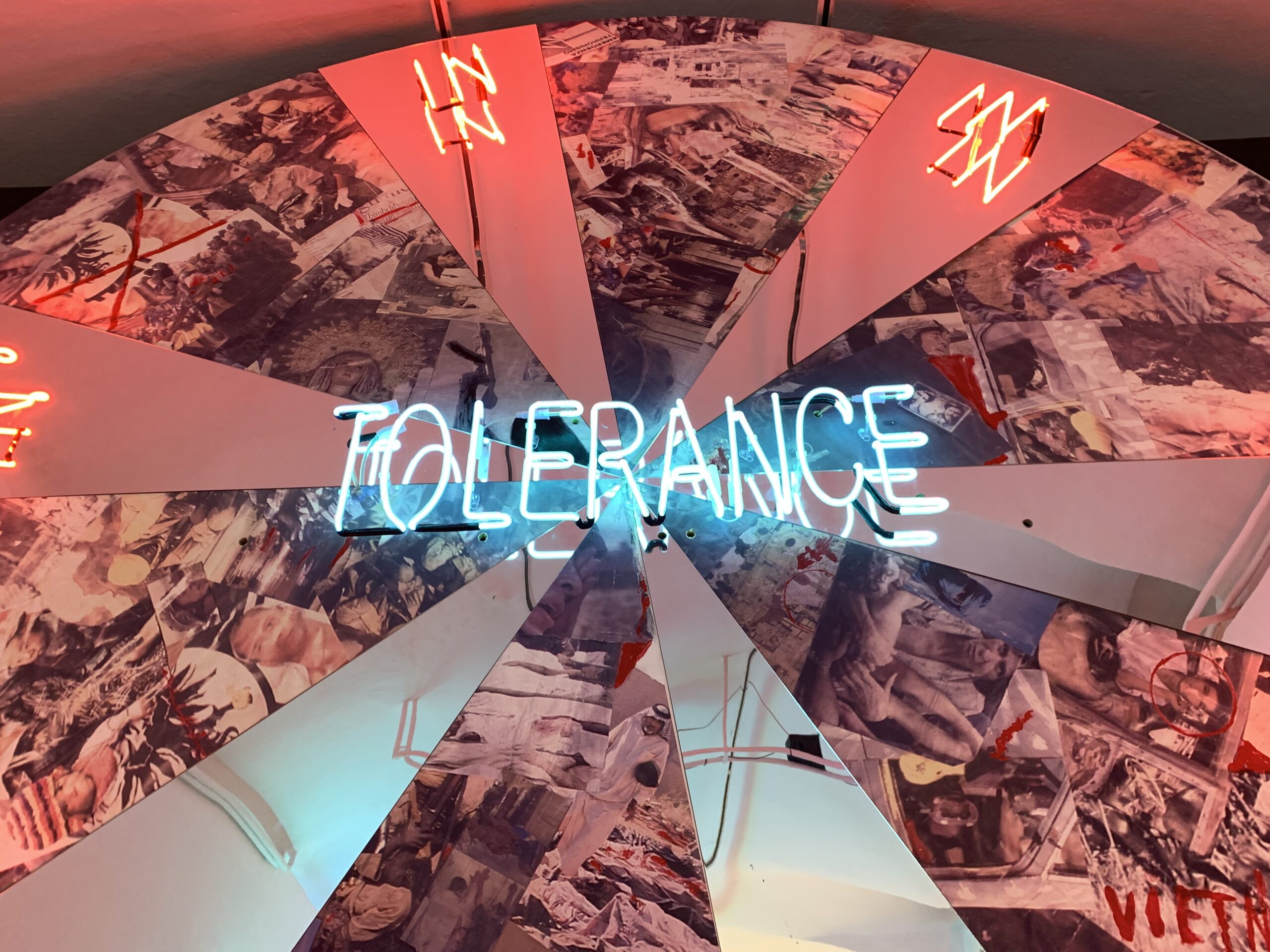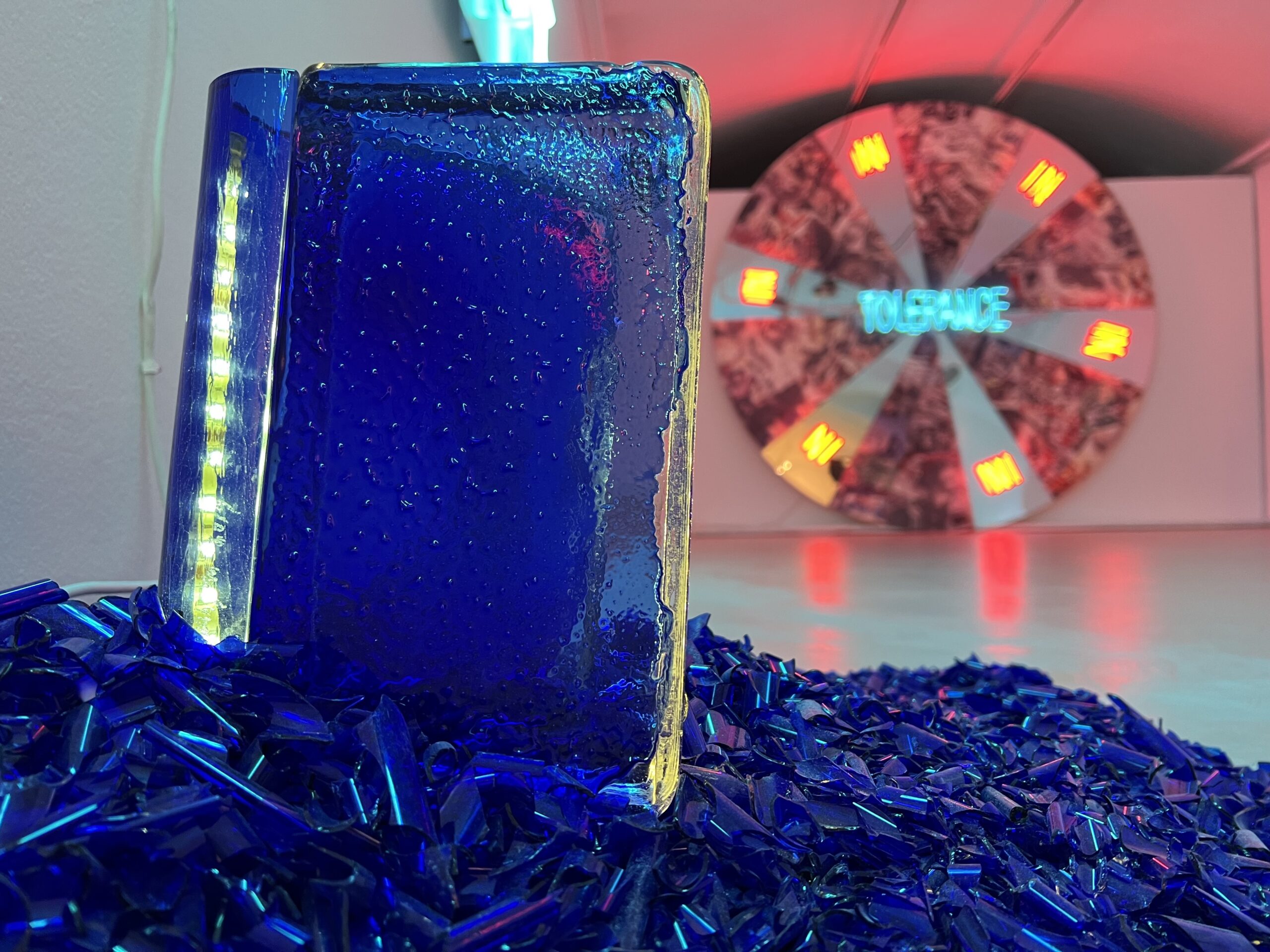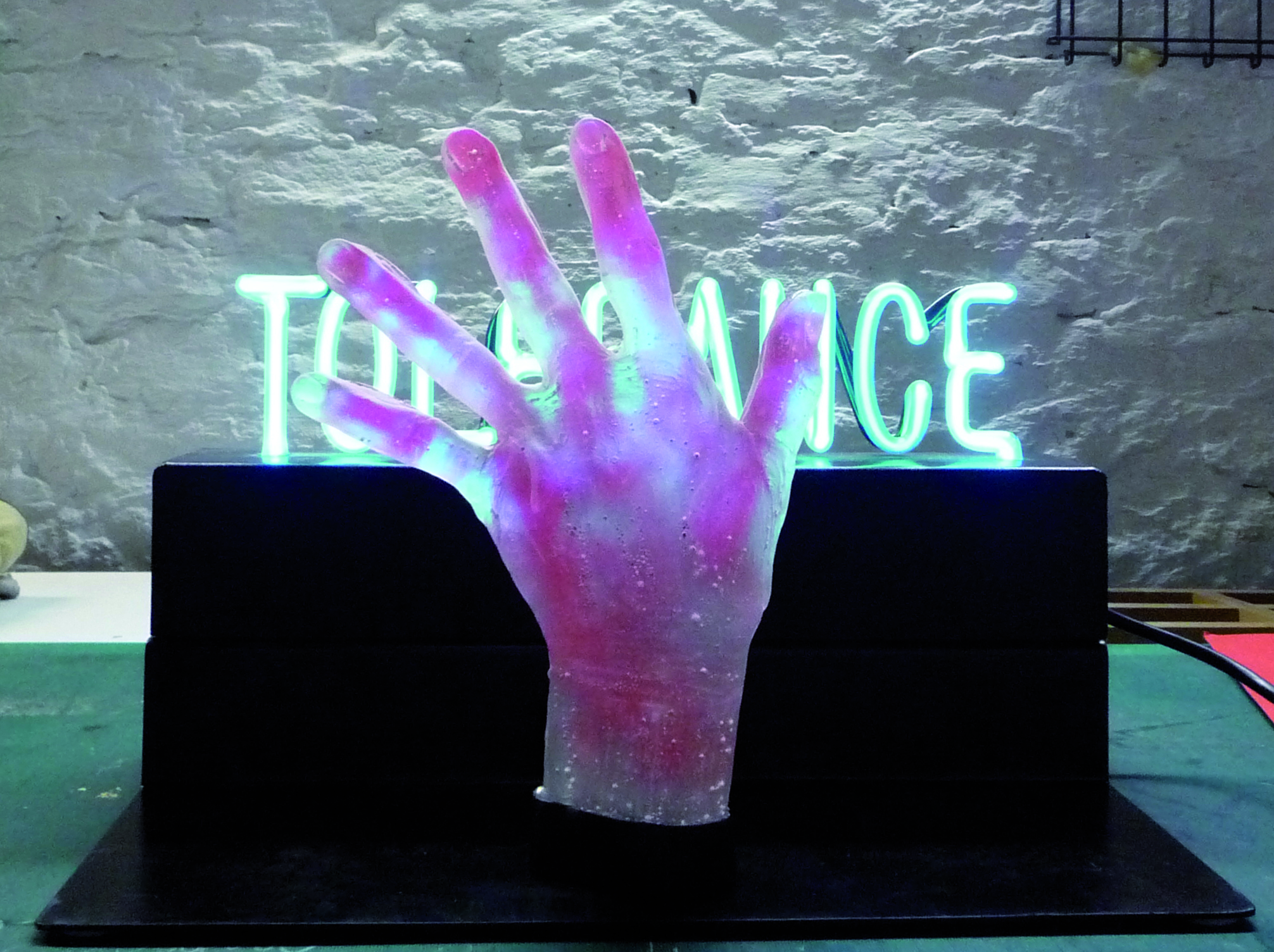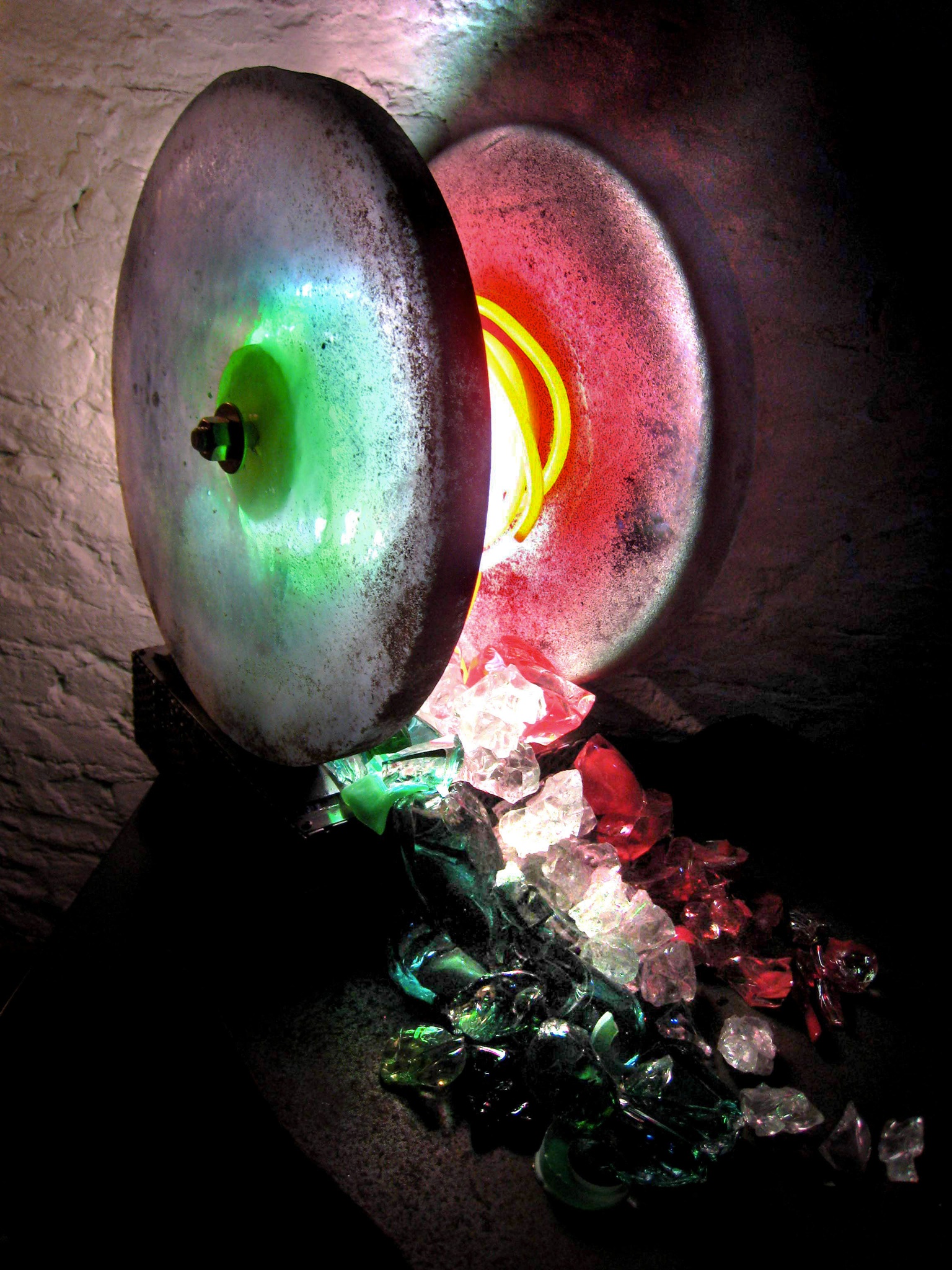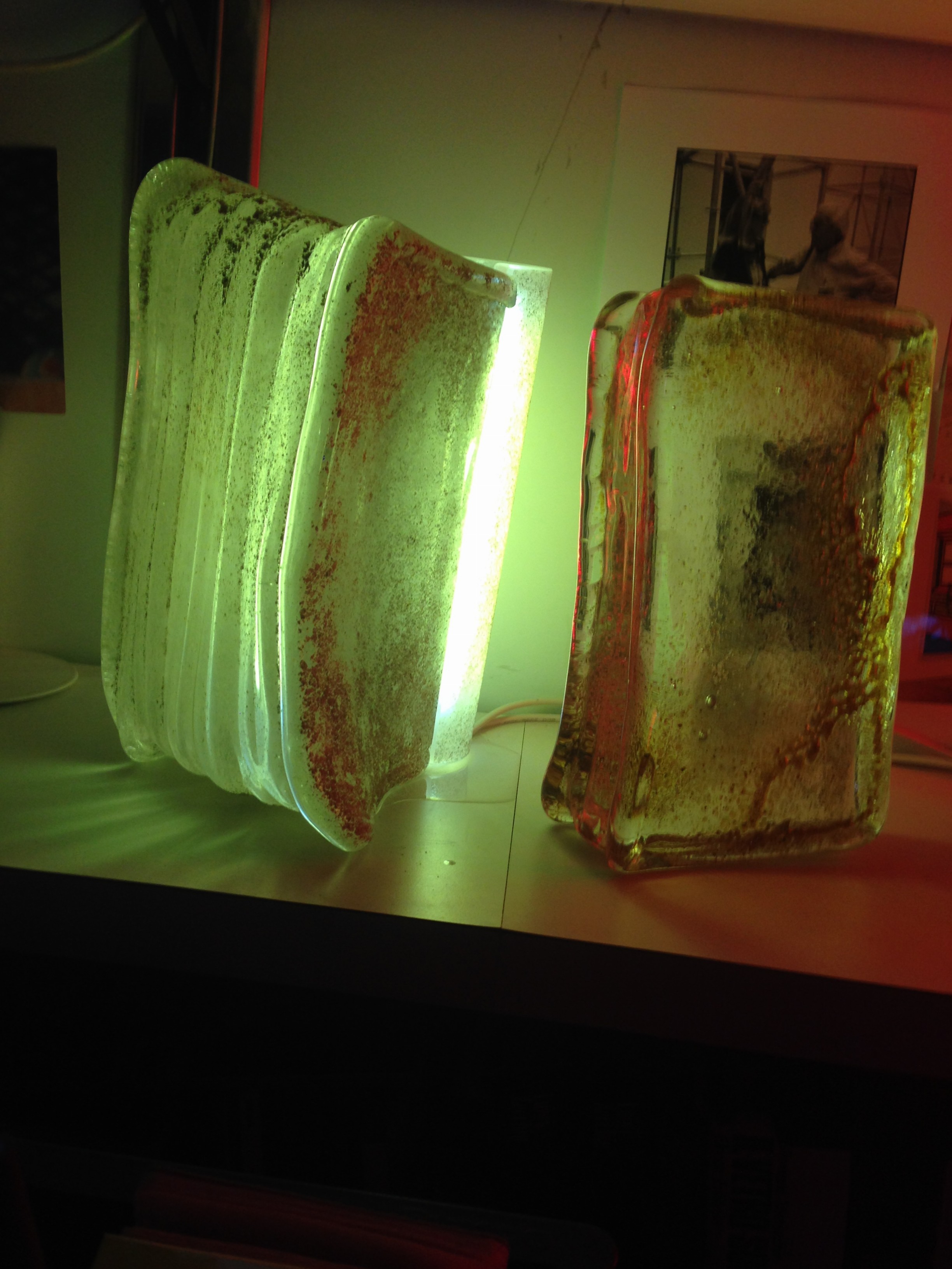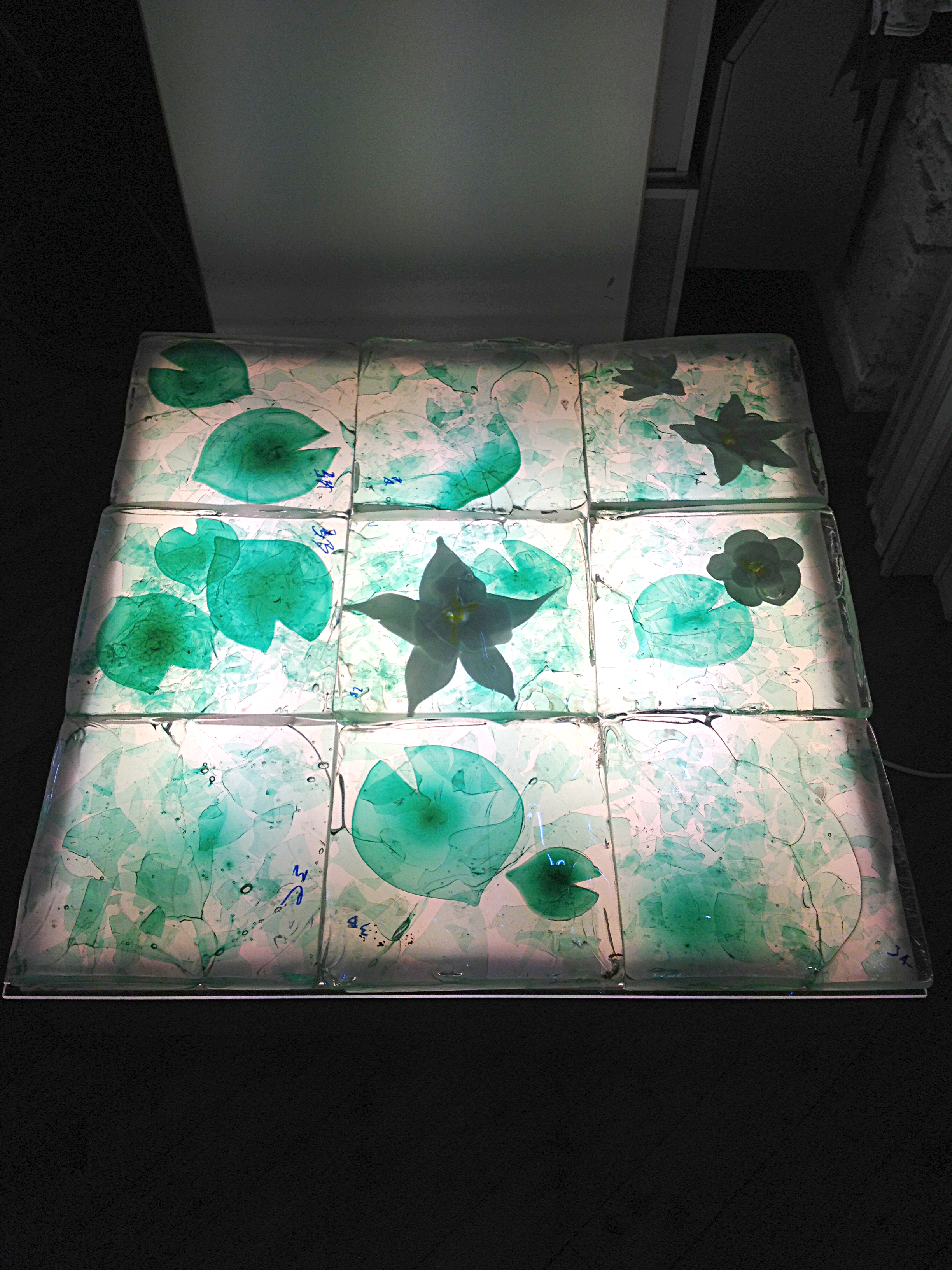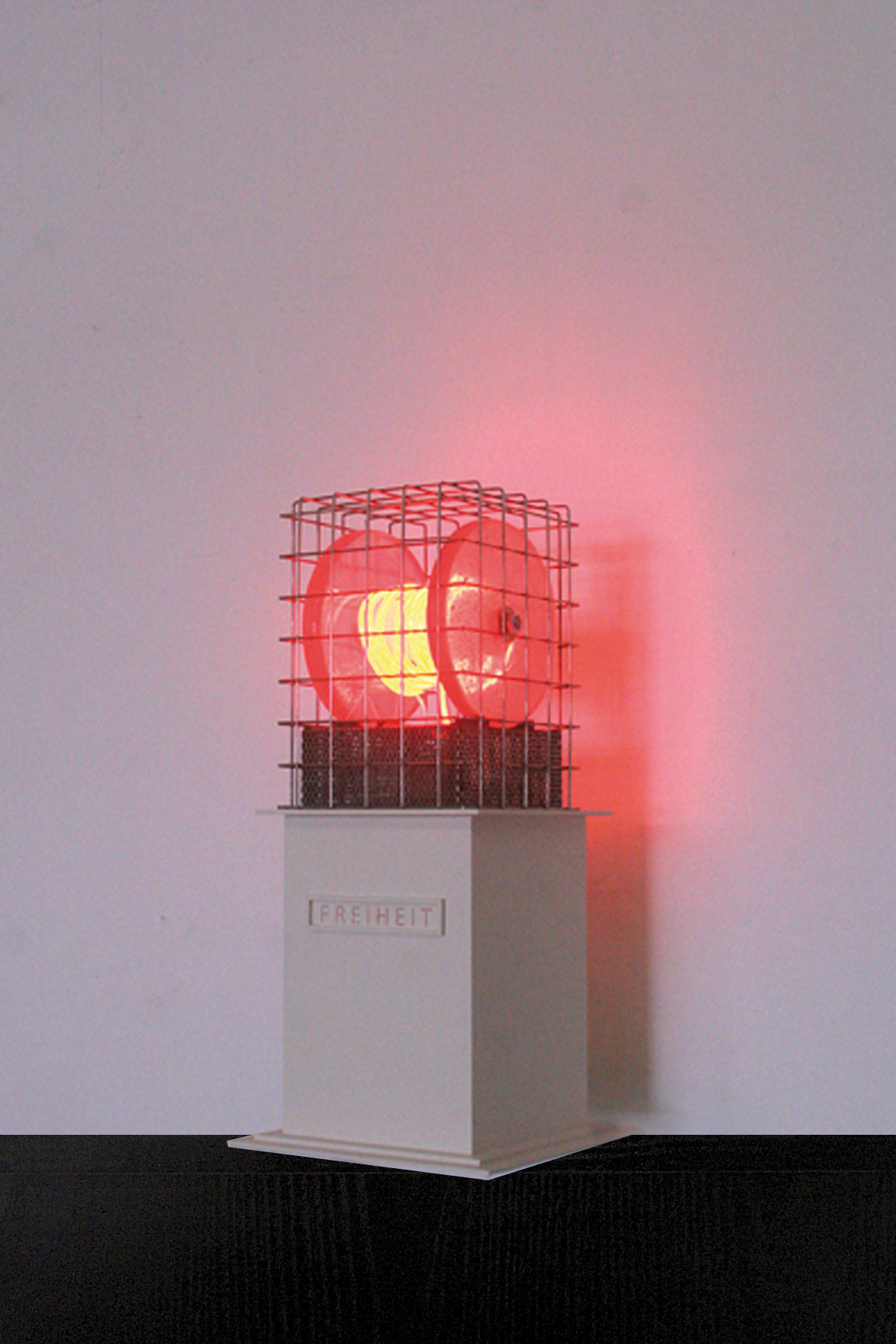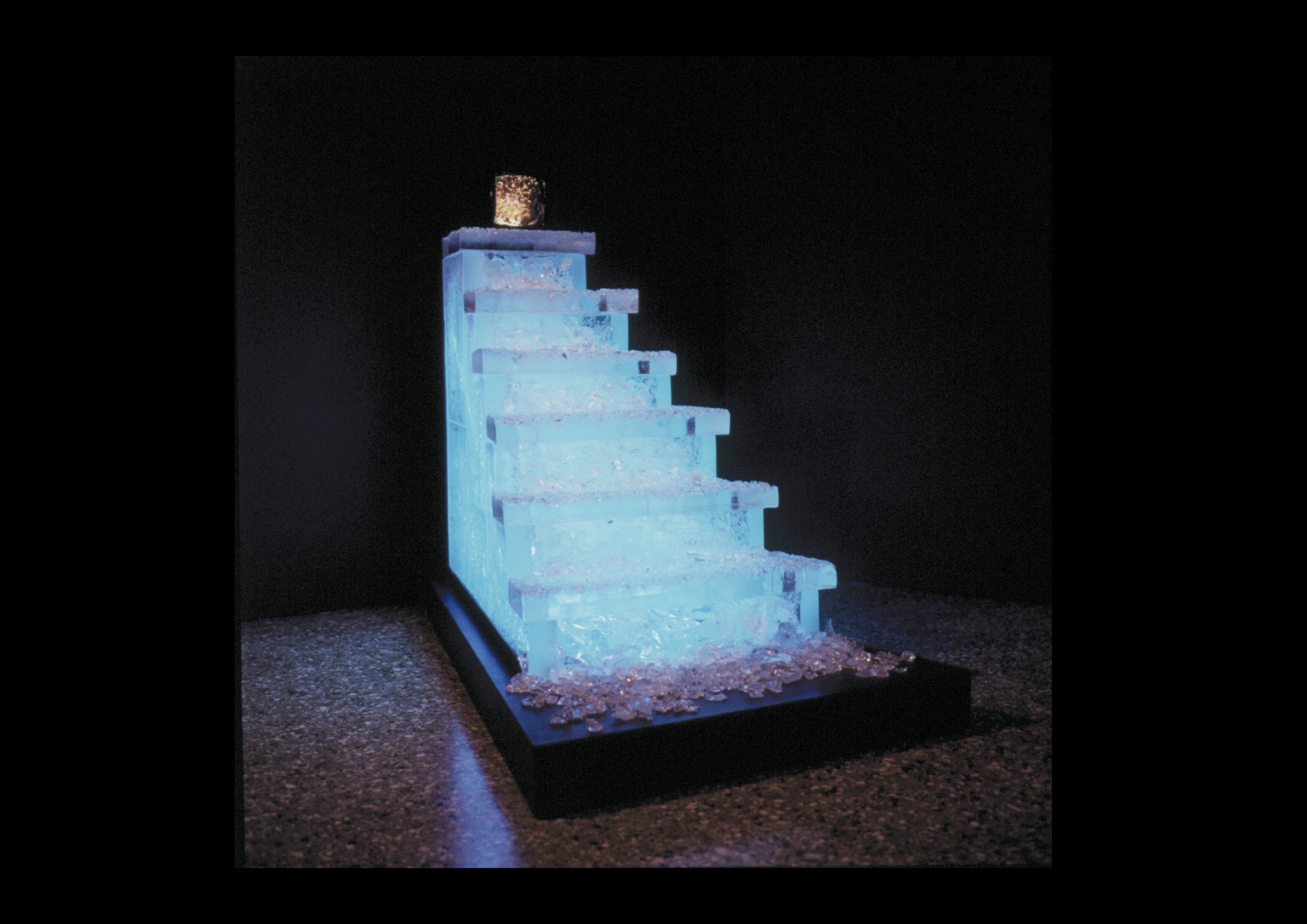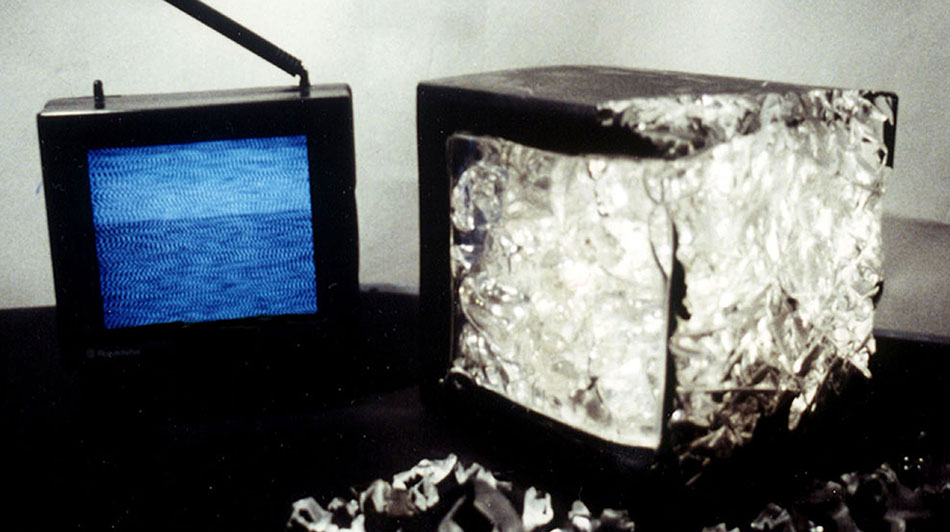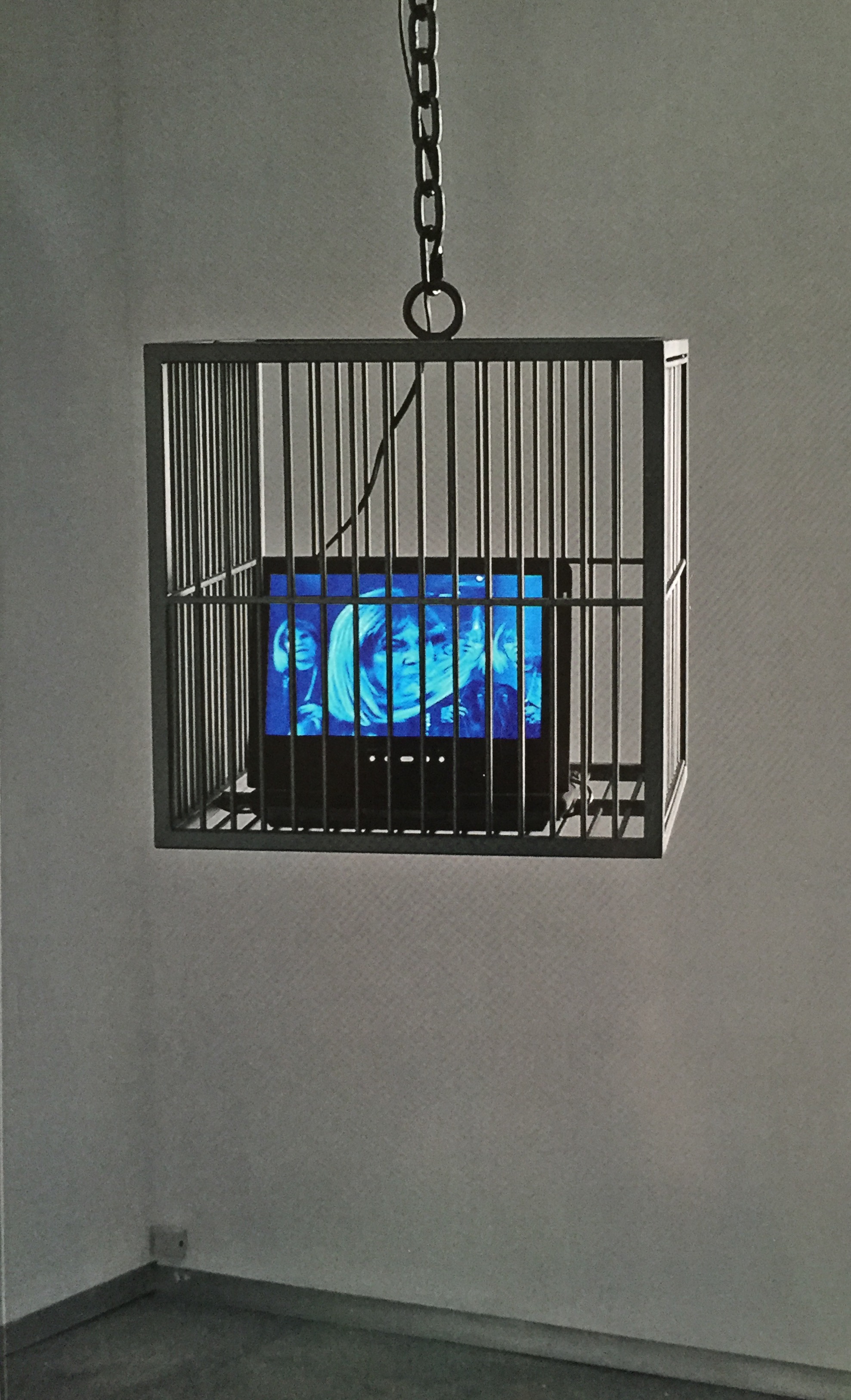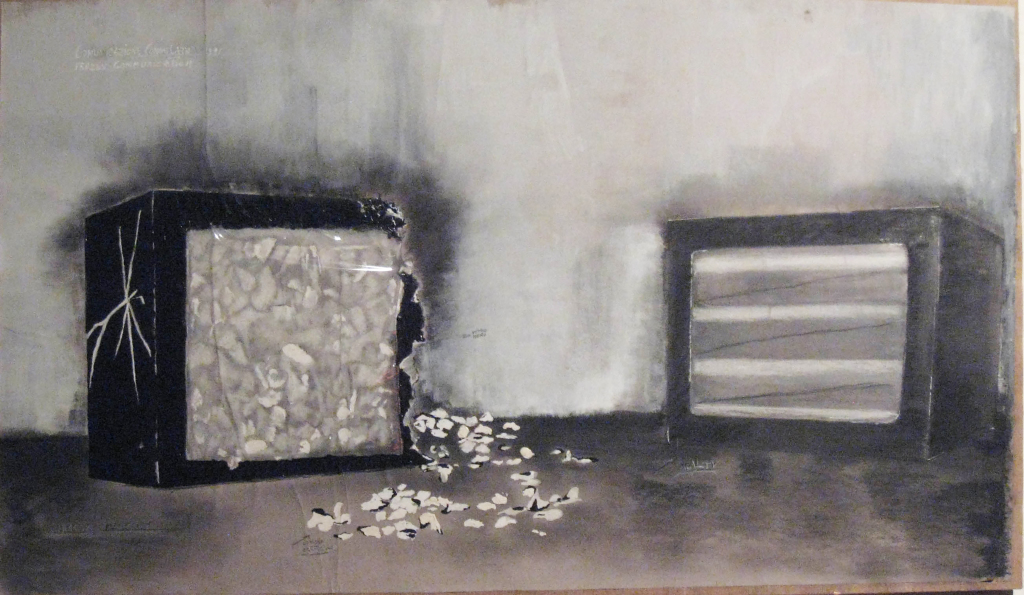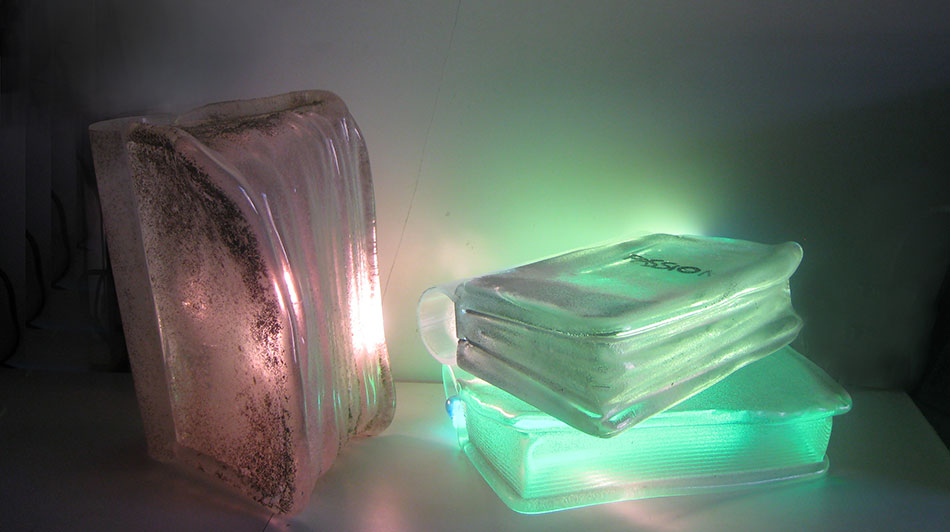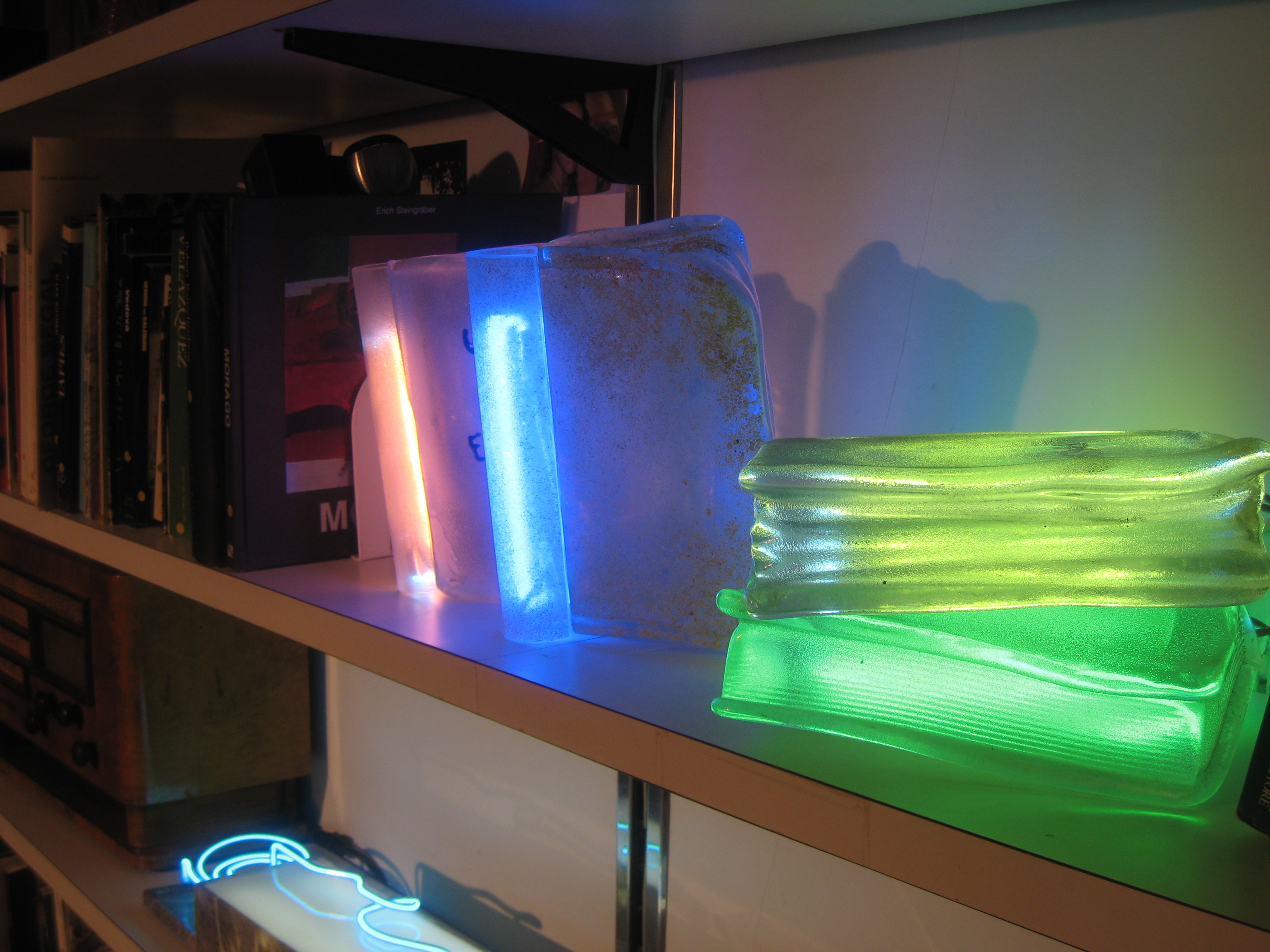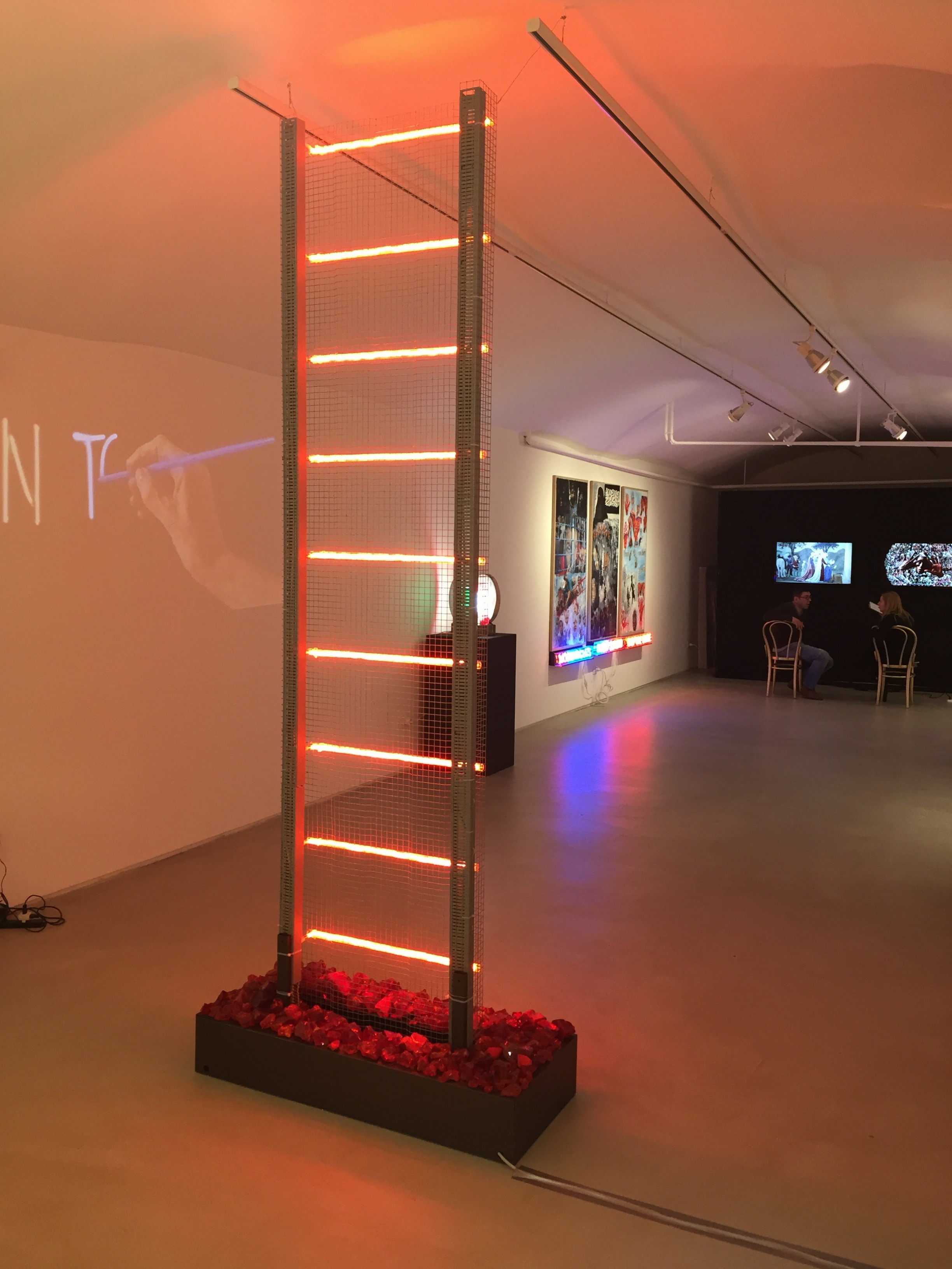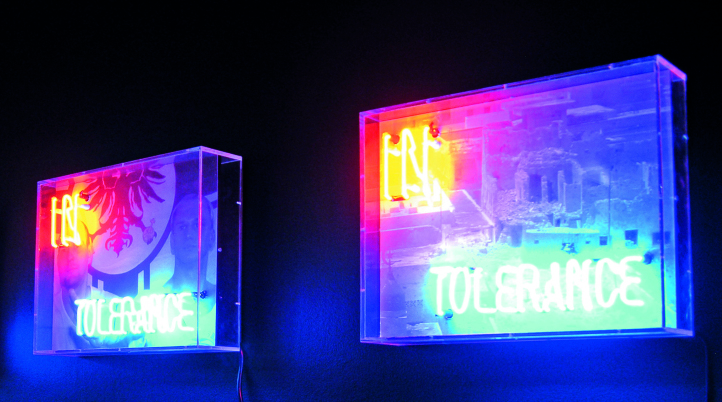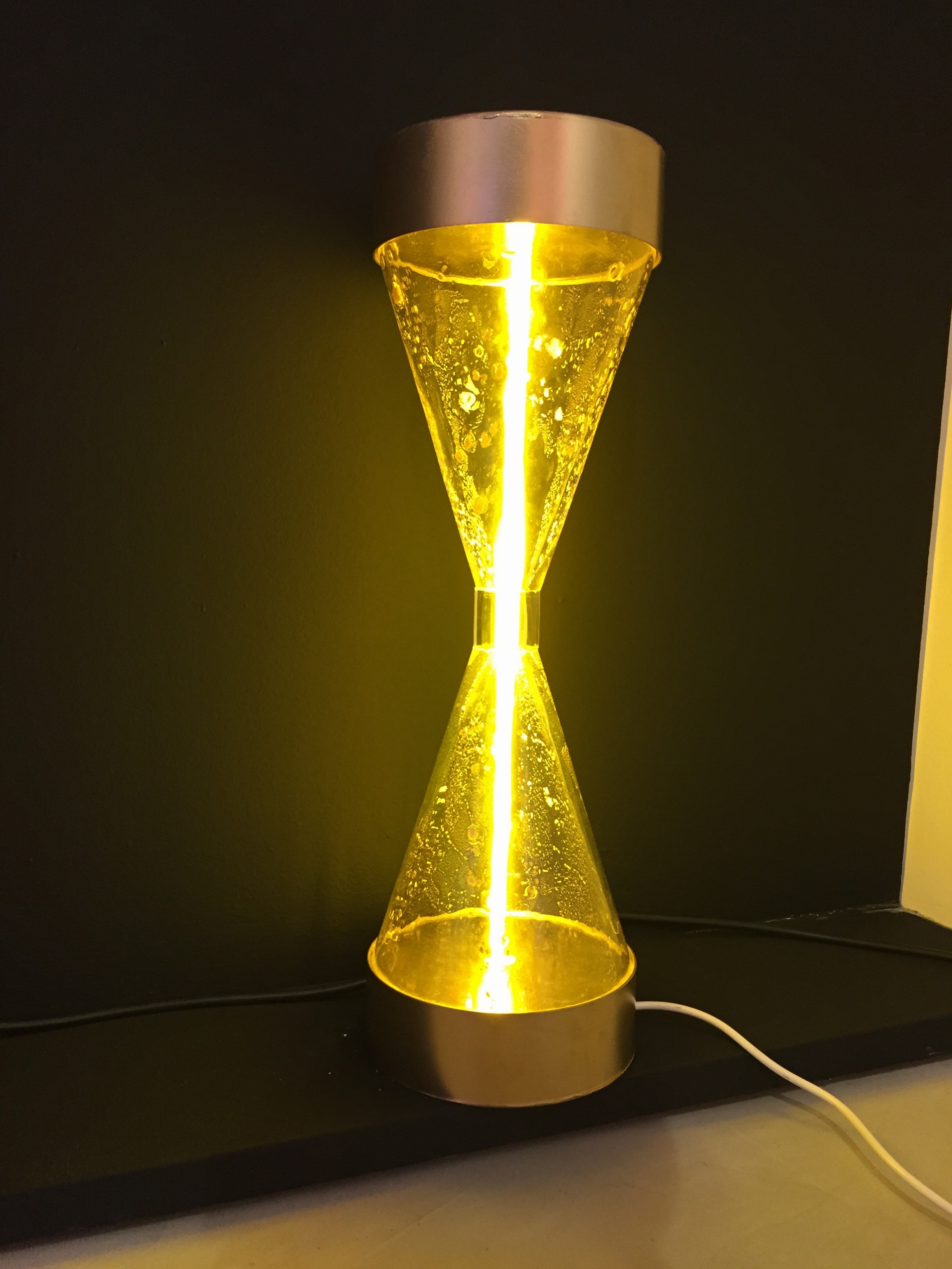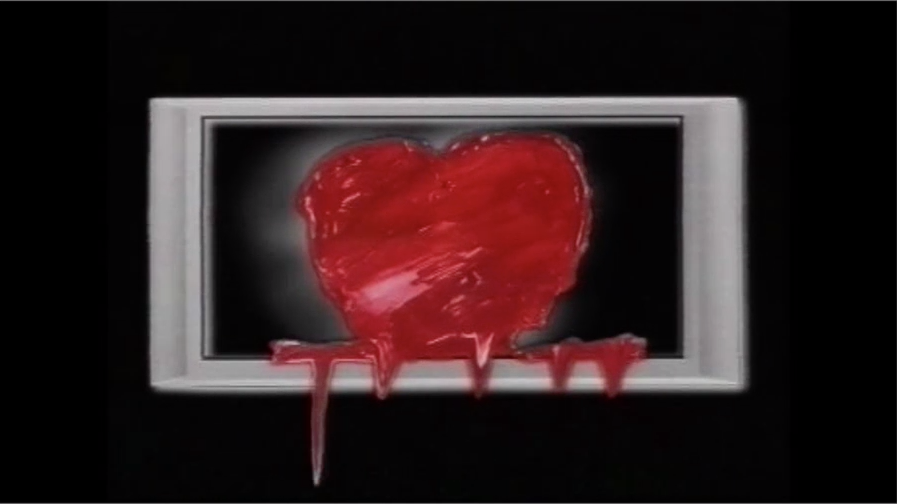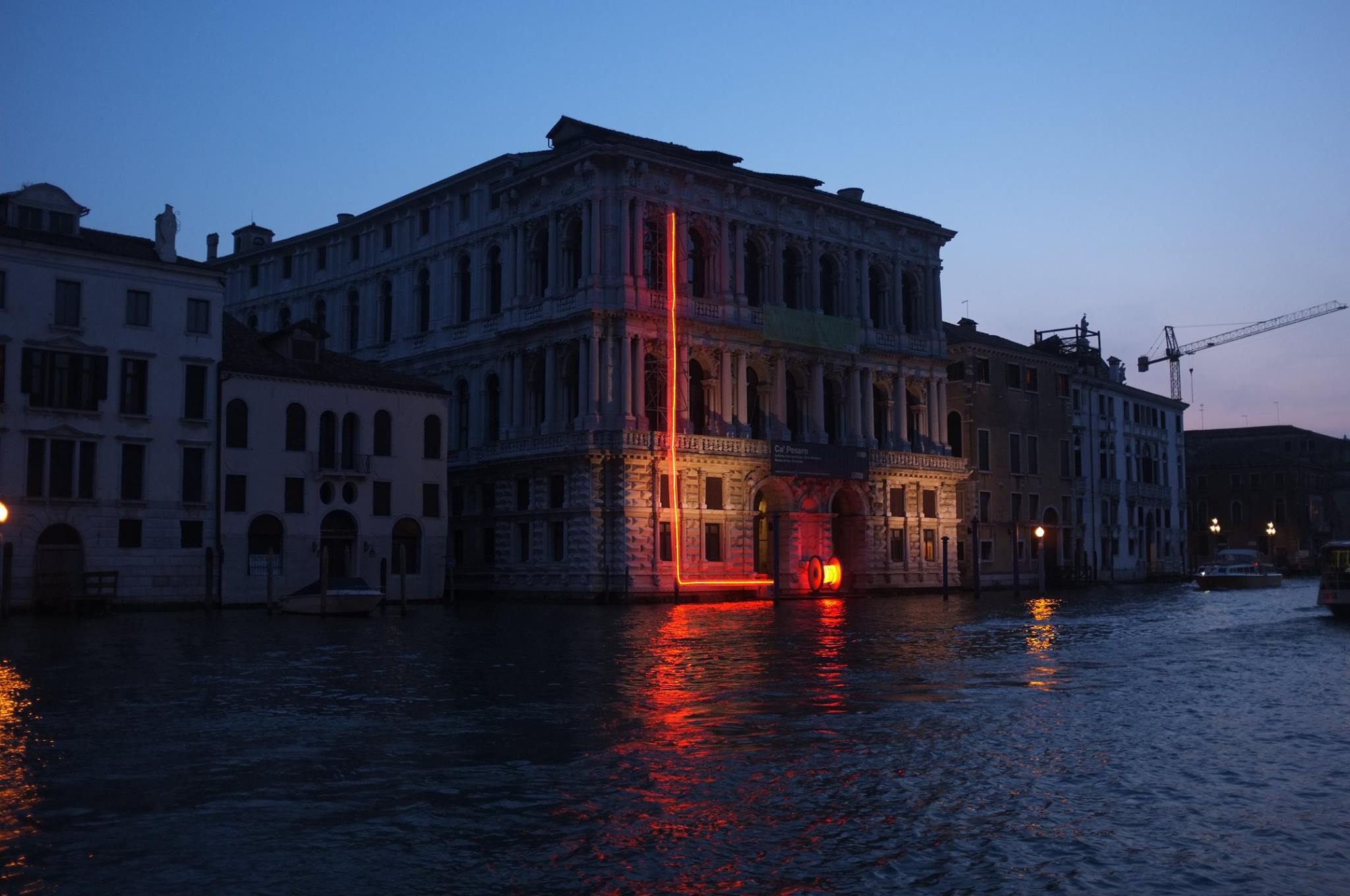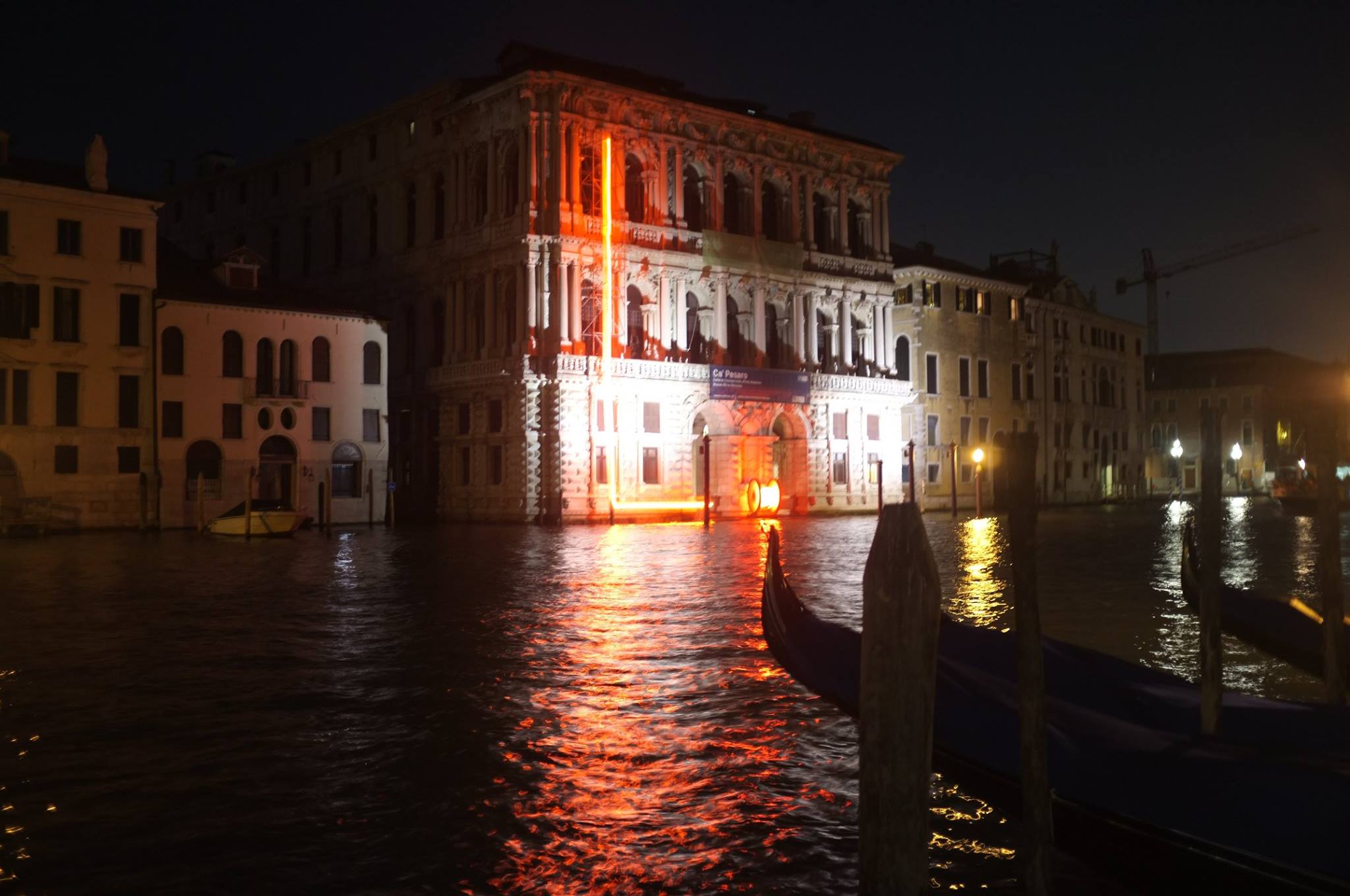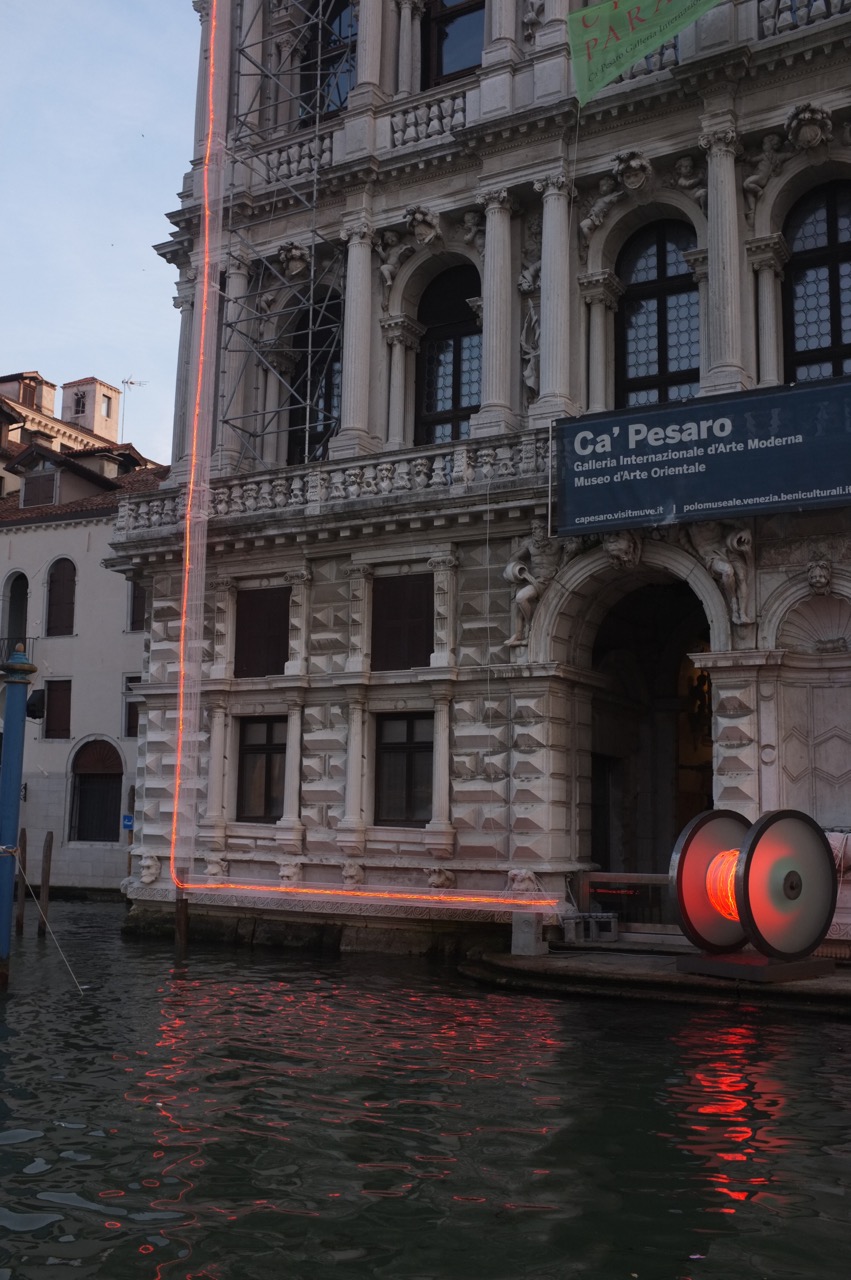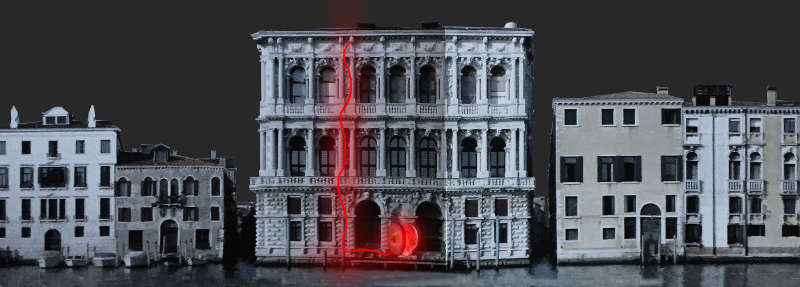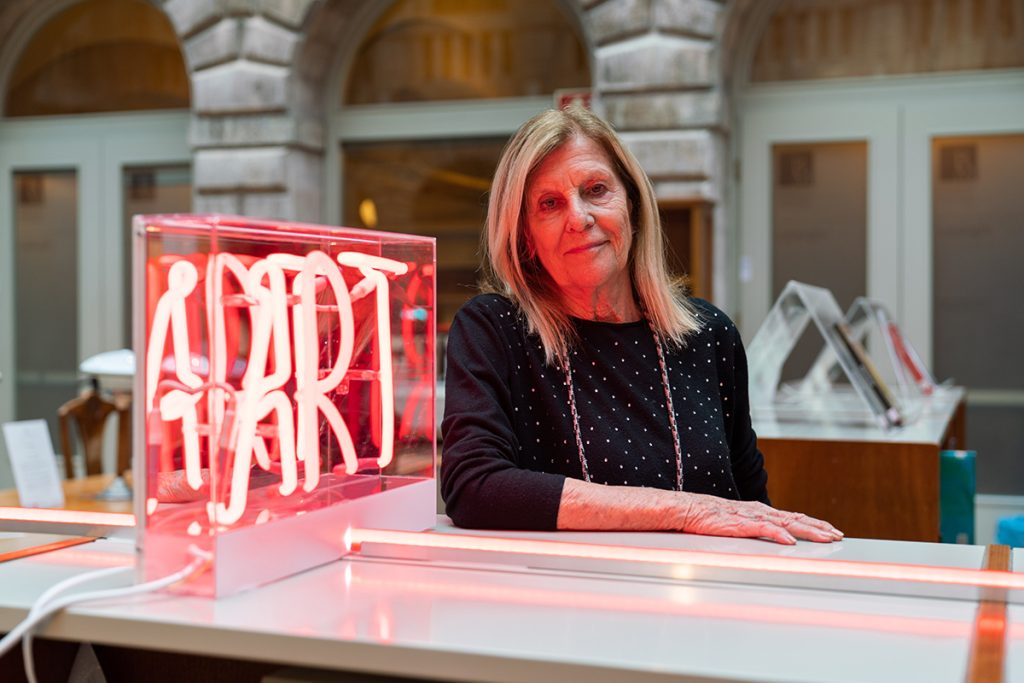
Federica Marangoni, a Venetian artist and designer working internationally, has experimented with a wide range of materials and technological media throughout her career. Following a precise professional and cultural choice that led her to range, in a highly eclectic and interdisciplinary way, across every field of communication, her work as a designer grew alongside her artistic path as a sculptor. In 1970 she set up her own studio in Venice, Fedra Studio Design. That same year she began working with glass, collaborating steadily with many Murano furnaces. She designs objects for production as well as glass sculptures and large installations in which technological media such as video and neon light, combined with the transparency and fragility of glass, make her work unique in the landscape of contemporary art. From the mid-1970s to the present, electronic technology has been one of her main means of expression. From 1976 to 1989 she was an adjunct professor in the Department of Art and Art Education at New York University, where she also led seminars and summer courses in Venice with a glass workshop. She has lectured and taught at many universities and cultural centres in the United States: Wayne State University, Detroit, Michigan (1977); Center for Creative Studies, Glass Department, College of Art and Design, Detroit, Michigan (1979); Paterson State College, N.J. (1978); Columbia University, New York, NY (1978); Parsons School of Design, Altos de Chavón, Dominican Republic (workshop, November 1984); Pratt Institute, New York, NY (1995); Virginia Beach Art Center (1996). These lectures focused on a theme Marangoni had long been exploring: “Art, Arts & Crafts, Design: comparison, analysis and interactivity”.
Federica Marangoni has exhibited in numerous museums and international exhibitions: MoMA (New York 1980), Musée des Arts Décoratifs (Lausanne 1988/92), Museum Bellerive (Zurich 1988), Palazzo dei Diamanti (Ferrara 1980/1983), Palazzo Dugnani (City of Milan 1984), Hara Museum (Tokyo 1990), Kunstmuseum (Düsseldorf 1990), La Biennale di Venezia (Venice 1971/80/95/97/2011), Hivernacle (Barcelona, 1989), Holly Solomon Gallery (New York 1995), Center for the Arts (Virginia, U.S.A. 1996), Palazzo Ducale ‘Aperto Vetro’ (Venice 1999), Skulpturen-Glaskasten Marl Museum (Germany, 2000), “International Biennial of Electronic Arts: Art and Communication” (Rome), Ernsting Stiftung Alter Hof Herding (Coesfeld, Germany), “Global Art Glass Triennial” (Borgholm Slott, Öland, Sweden), Peggy Guggenheim Foundation (Venice, 2001), CAC Ticino (Bellinzona, Switzerland), Remy Toledo Gallery (New York, 2005), Italian Cultural Institute (Madrid, 2006), Castello Sforzesco (Milan), Carnegie Museum of Art (Pittsburgh, USA), Museo di Villa Croce (Genoa), Italian Cultural Institute (New York, USA), 54th Venice Biennale of Contemporary Art, Italian Pavilion.